10 Things I Know
Sam Pitroda, India’s godfather of innovation
On engineering, poverty, the second telecoms revolution, and why this generational shift is bigger than World War II.
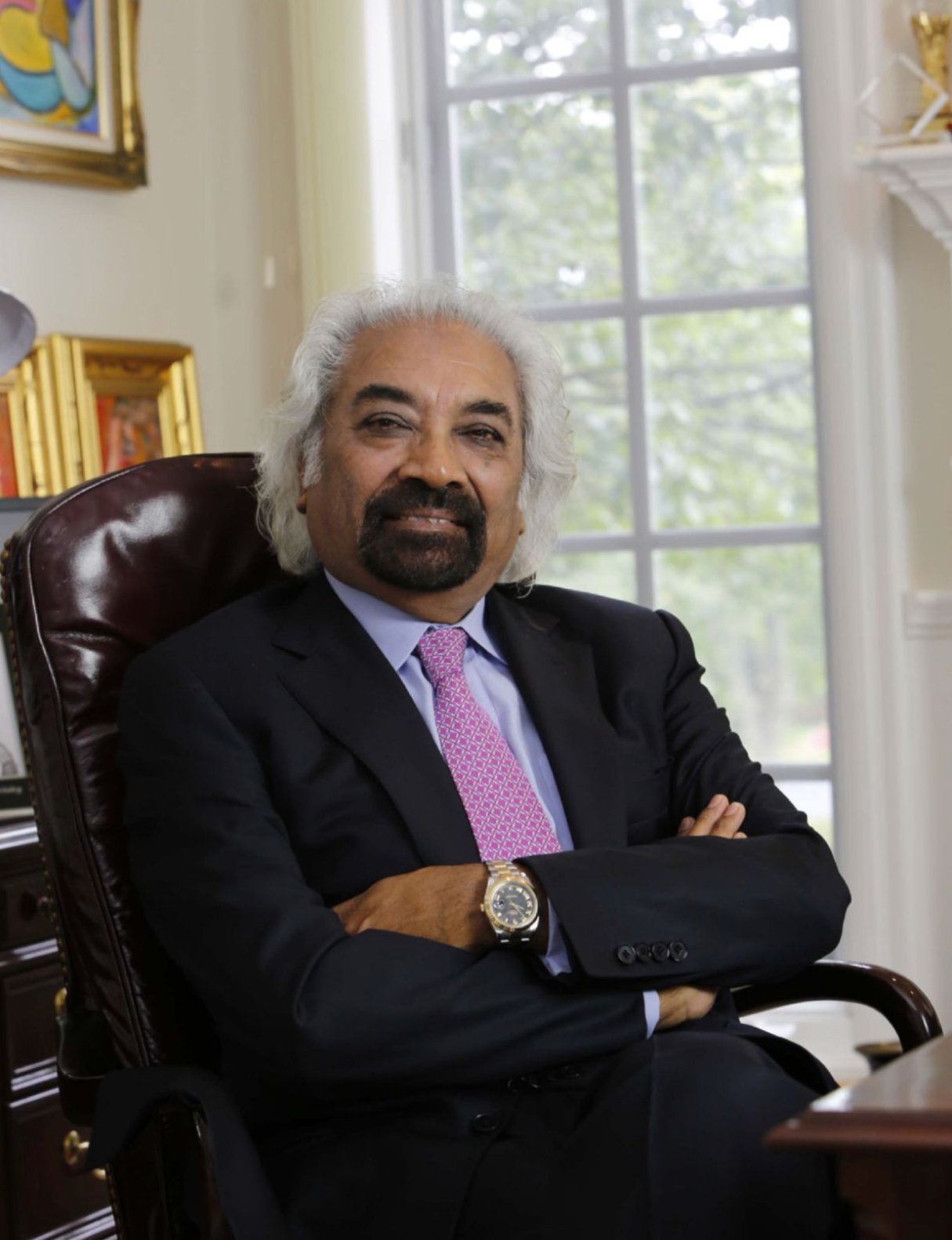
Sam Pitroda is often cited as the man who revolutionised India’s telecoms industry. He is the Indian Prime Minister’s advisor on innovation, holds more than 100 patents, and runs several businesses including C-Sam. James O’Flynn interviewed Sam from his office in Chicago.
I’m still an engineer in my heart, because I see things as systems — input, output, delay, response, efficiency and productivity. I also integrate this to include social systems: how does my work affect people? Poor people, young people. Engineering systems are incredibly handy when dealing with social systems.
I’m from a very poor family. My father had a fourth grade education, the family had no money, I borrowed money to travel out of India. I realised that in the beginning making money was important. The tough task is to stop at that point and focus on something else.
I came to the US to get a PhD in physics. Then my professor told me it takes seven years. I had a girlfriend, and I was young and stupid, so I said, ‘I’m not going to spend seven years getting a degree!’ Life just takes turns and you never know what will be delivered to you.
A lot of my patents are system patents. My first one was on tone generation — how do you generate analogue tones using digital memory? Then conference calling, digital conference calls. And now I have a series of patents on digital mobile wallets.
We are going through a major generational revolution. I have been saying that this is a bigger event than World War II. This is destruction of a different type. The first telecoms revolution was about connecting people to talk. Now it is all about democratisation of information — that’s the next revolution.
We need to reduce cost and improve access to food, education, health and energy. The problems of the poor really don’t get the talent to solve them that they deserve.
We have to learn to change our developmental model. The model currently is more cars, more homes, more, more, more. That model can’t work for ten billion people. We have to think about new models, based upon happiness.
I don’t care about titles. So you win a Nobel Prize, big deal. It’s all fake — a plaque, a statue, it doesn’t really mean anything. It’s a journey that has to end at some point in time, so enjoy the journey and love people in the process.
If I slow down I die. I would rather be busy, but I enjoy life and have no stress. Never retire! Always do something, teach kids, help others, but don’t give up.
Gandhi is my hero and his is the model we need. Am I a problem? Or am I a solution? I think people need to search their souls.
"We are going through a major generational revolution. I have been saying that this is a bigger event than World War II. This is destruction of a different type."
From the Archive — This interview was originally published in Issue 1, March 2014 (March 2014). Roles, titles, and views expressed were accurate at the time of the original interview and may have since changed.
Enjoyed this interview?
Get every "10 Things I Know" interview in your inbox. Free, fortnightly.