10 Things I Know
Boyan Slat, founder of The Ocean Cleanup
On finding more plastic than fish, dropping out of university, and why the only appropriate response to criticism is a 530-page feasibility report.
Boyan Slat came to the world’s attention overnight when his TED talk went viral. He was 18 years old at the time, and claimed to have developed a solution to collecting the millions of pieces of plastic in the world’s oceans. James O’Flynn spoke to Boyan from the Netherlands.
I have always been interested in engineering and technology, I have always entertained myself thinking about solving problems. I was 16 years old and it struck me that I was coming across more plastic in the ocean than fish. These types of problems are the major challenges of our generation.
I was a geek growing up, I still am. I have always thought about things a little differently. Teachers would always complain, saying I would never stick to an assignment.
I was in the Azores, in a restaurant on the terrace and came up with the idea of harnessing the ocean’s power to collect the plastic. Hey presto.
I couldn’t stop thinking of the project. I decided to put my studies on hold, as well as socialising. I put everything into it, gave myself half a year and put all my 300 pocket money euros into it.
Originally only two people offered help, but after the TED talk went viral I was getting about 1,500 emails a day. This enabled the crowd-funding and team to be assembled which grew to 100 people.
I wasn’t surprised at the criticism. Suddenly an 18 year old says he can clean the ocean. I understand. The only appropriate response would be a 530-page feasibility report that shows it is actually feasible. We have now published the report.
We have proven that the plastic can be turned into oil — three independent companies have confirmed this. The quality is much better than expected.
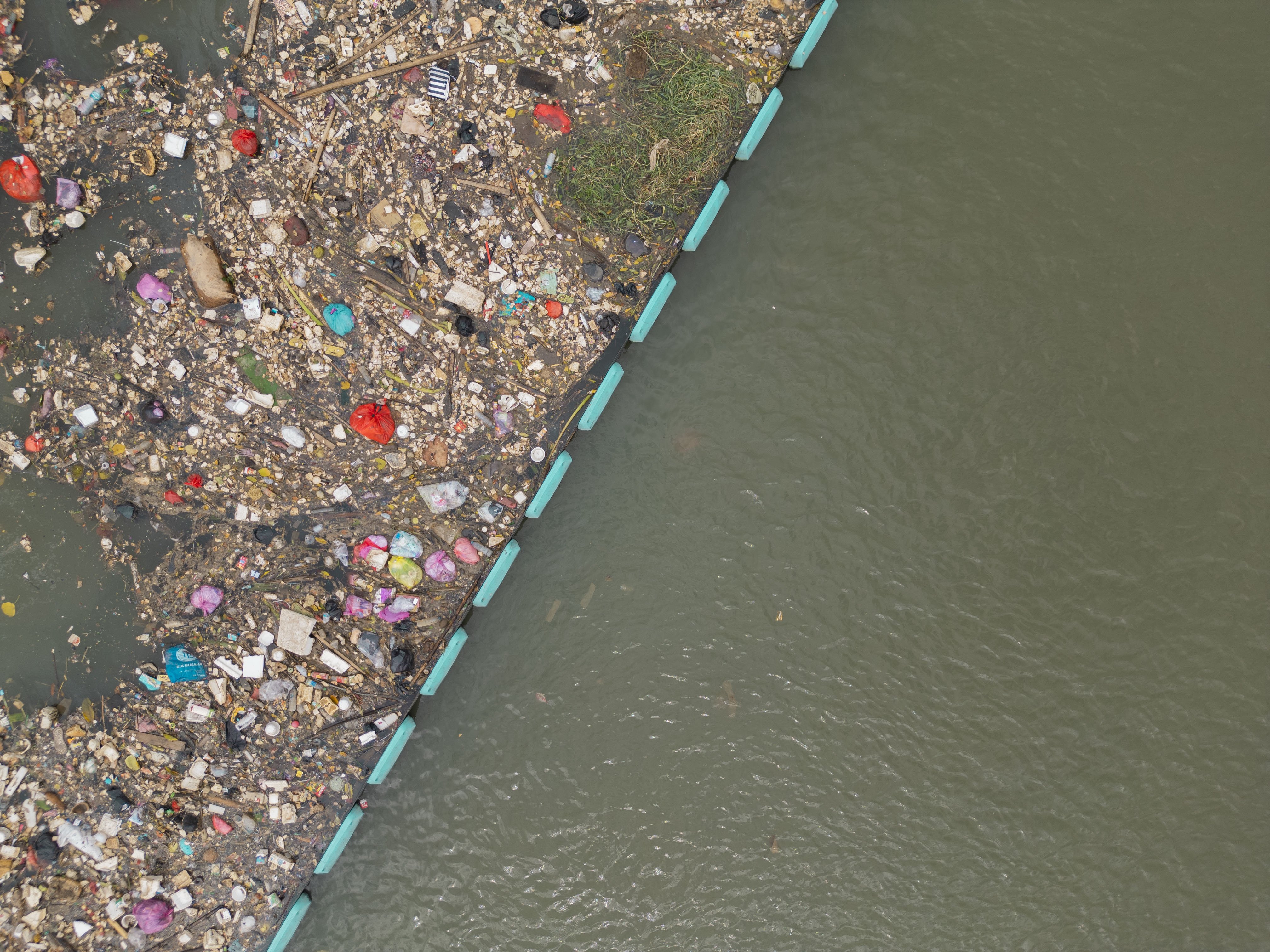
There are no islands of plastic as some people think. It’s very dispersed. The scale is huge though. 95 per cent of the plastic is quite large — all the way up to parts of boats, jerry cans, nets.
All entrepreneurs want to be in a position of going from controlling it all, to where it controls itself somewhat. Personally I really like being involved in the engineering process.
"The only appropriate response to criticism would be a 530-page feasibility report that shows it is actually feasible. We have now published the report."
From the Archive — This interview was originally published in Issue 2, September 2014 (September 2014). Roles, titles, and views expressed were accurate at the time of the original interview and may have since changed.
Enjoyed this interview?
Get every "10 Things I Know" interview in your inbox. Free, fortnightly.